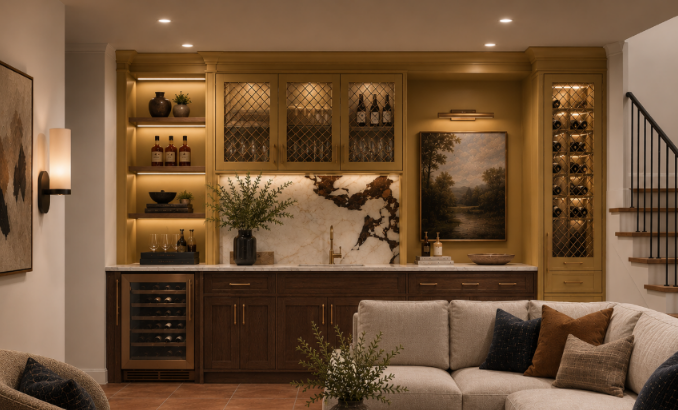
Riemco designers have been fielding more questions about wire mesh cabinetry lately. Clients bring in a photo, ask about a detail on a recent project, or mention a finish they noticed on an inspiration board. We’re drawn to it as a flexible design tool: a single insert can read as industrial, elegant, or warmly traditional, depending on finish, weave, and setting. A more traditional farmhouse kitchen calls for one combination, while a minimalist new build calls for another. The material stays the same. The character it brings to a room changes completely.
Finish Sets the Tone
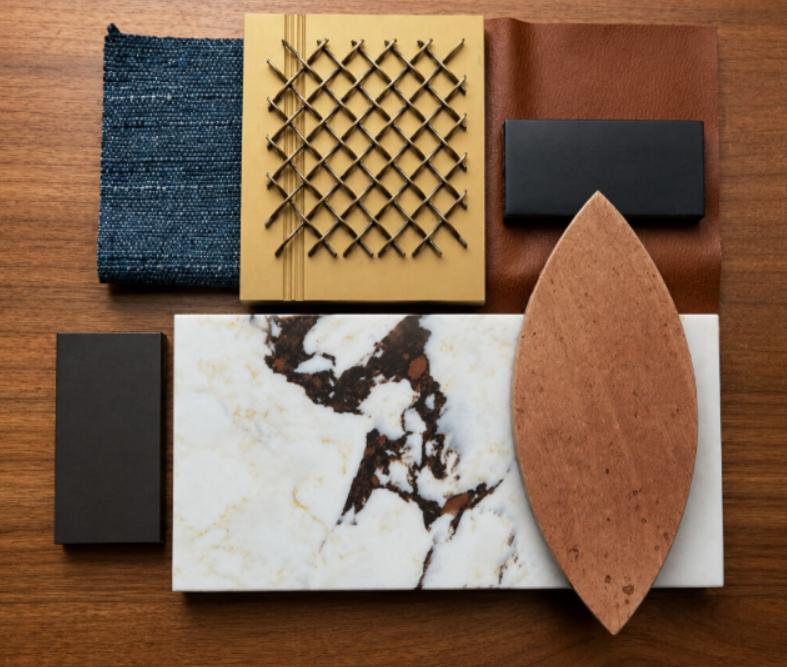
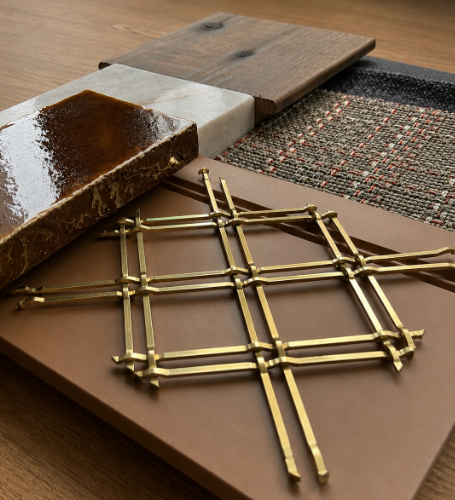
That versatility begins with the finish. Each metal brings a distinct mood. Antique bronze has a deep, aged warmth that pairs naturally with dark wood cabinetry and traditional interiors. Brass offers a lighter, golden warmth that complements both painted cabinets and natural wood, adding a refined elegance. Stainless steel has a cool, reflective surface that feels clean and contemporary, while matte black mesh creates bold contrast and works especially well in modern spaces.
Many designers also mix finishes within the same room. A cabinet with bronze mesh might be paired with brass hardware, or a stainless mesh may sit comfortably alongside matte black fixtures. Layering finishes this way adds richness and depth, without making the space feel overly coordinated.
Pattern Adds Character
If finish establishes the mood, the weave gives wire mesh its personality. A traditional square weave creates crisp, orderly lines that work equally well in Shaker-style cabinetry and contemporary designs. A diagonal diamond weave introduces movement and decorative detail, making it a natural fit for more traditional or transitional spaces. Flat wire mesh reflects light more evenly, creating subtle texture and a softer visual presence.
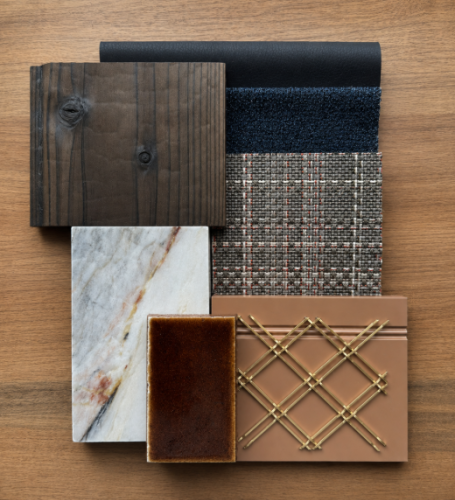
Together, finish and pattern offer remarkable design flexibility. A diagonal weave in antique bronze feels warm and layered, while a square weave in stainless steel feels crisp, modern, and architectural. The same basic material, shaped by two different choices, can dramatically change the overall character of a cabinet.
Where It Works Best
Once the finish and pattern are selected, the next question is where to use wire mesh. It works especially well as a middle ground between open shelving and solid cabinet doors. A kitchen island with mesh-front storage, a butler’s pantry lined with mesh cabinets, or a built-in dining room hutch can all benefit from the added texture and visual interest.
An open weave allows some airflow, which can be useful in pantries or beverage storage, while keeping contents partially visible and creating a lighter feel than a solid cabinet door. Stainless steel and aluminum mesh are durable and long-lasting, making them a practical choice for cabinetry that’s built to endure everyday use.
Mood from the finish, structure from the pattern, and durability built into the material itself are why wire mesh comes up in conversations between the Riemco designers and clients. The same insert that feels rustic in a farmhouse pantry can feel sharp and modern on a kitchen island. It’s a small detail that says a lot about a room.
START THE CONVERSATION
Every material tells a different story depending on how it’s used. If you have been thinking about a custom home, an addition, or a renovation, schedule a consultation with the Riemco team to see how finishes, textures, and details can bring your vision to life.